
Service · 006
Know the species, know the risk.
Not all molds are equal. Cladosporium on a window sill is a different problem than Stachybotrys behind a wall. Every SafeSpace report includes species-level analysis.
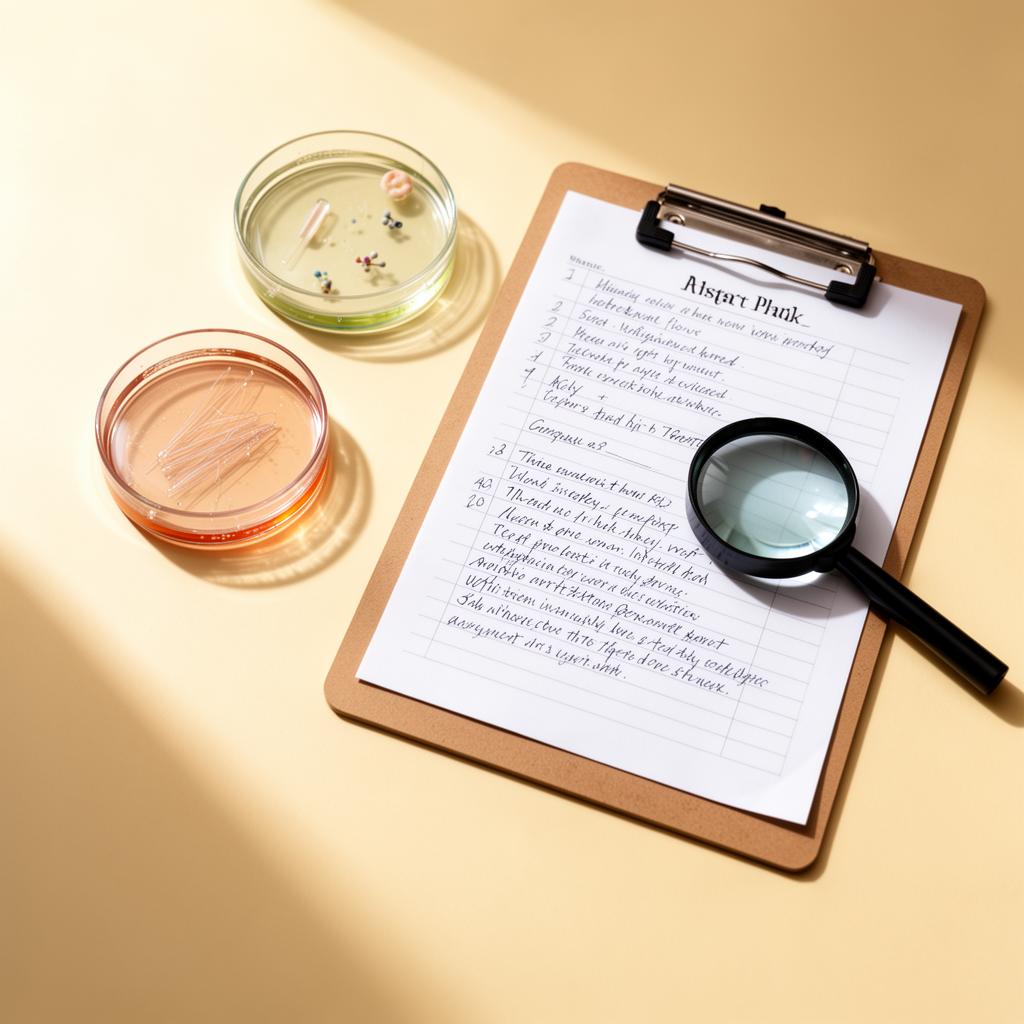
Mold analysis is the lab side of every SafeSpace job. Once samples leave your Santa Ana property, they go to an independent AIHA-accredited laboratory for direct microscopy and culturing.
The lab returns spore counts by genus and, when relevant, species — so we can tell you whether the growth is cosmetic, allergenic, or toxigenic. We then write a plain-English interpretation against EPA and ACGIH guidance.
Every report identifies the 50+ most common indoor mold species, including Aspergillus, Penicillium, Cladosporium, Stachybotrys chartarum (black mold), Chaetomium, Alternaria, and Fusarium.
What's included
Every visit, every time.
- ·AIHA-accredited lab partners
- ·Direct microscopy & culturing
- ·Genus & species identification
- ·Toxigenic vs allergenic flagging
- ·Comparison to EPA / ACGIH guidance
- ·Written interpretation included
FAQ
Mold analysis, answered.
Still wondering? A real Santa Ana inspector answers the phone at (866) 821-1153.
- No. Cladosporium on a Santa Ana window sill is cosmetic. Stachybotrys behind a wall is a remediation event. Species ID is the difference between cleaning it Saturday morning and calling a remediator on Monday.
- We send to an independent AIHA-EMLAP-accredited laboratory in Southern California. They've never met you, have no incentive to inflate counts, and follow ASTM and EPA-aligned methods on every cassette.
- It means the species can produce mycotoxins under the right conditions — not that it always is. We flag toxigenic genera (Stachybotrys, Chaetomium, certain Aspergillus and Penicillium species) so you can prioritize action.
- Both. You get the raw lab PDF and a plain-English written interpretation comparing your indoor results against the outdoor baseline and EPA/ACGIH guidance. A 15-minute results call is included.
- Not precisely — there's no carbon-dating for spores. But species mix and concentration patterns often reveal whether the growth is recent active colonization or older, dried-out staining. We'll tell you what the lab data suggests.
Why does species ID matter — isn't mold just mold?
Which lab do you actually use?
What does 'toxigenic' actually mean?
Will I just get a number, or will someone explain it?
Can analysis tell me how long mold has been there?
Schedule today
Worried about mold in your Santa Ana home?
A real inspector answers the phone — not a call center. Same-week appointments throughout Santa Ana, CA.